Choosing a wedding venue is one of the most significant decisions you’ll make when planning your special day. The venue not only sets the tone and atmosphere for your wedding, but it also influences the overall experience for you and your guests. An ideal venue should reflect your personality and vision, creating lasting memories that you will cherish forever.
There are numerous factors to consider when selecting a venue, including location, size, ambiance, and budget. It’s crucial to make a checklist of priorities to guide your choice, ensuring that each aspect aligns with your expectations. Remember, finding the right wedding venue is a pivotal part of bringing your wedding dreams to life, and it requires careful thought and consideration.
Beyond the basics of aesthetics and capacity, the venue also affects logistical details such as catering, photography, and overall event flow. For instance, a venue’s accessibility can impact transportation for guests, particularly if some are traveling from afar. Likewise, consider the venue’s accommodations, such as parking and on-site amenities, as these can contribute significantly to the comfort and enjoyment of everyone attending.
Types of Wedding Venues to Consider
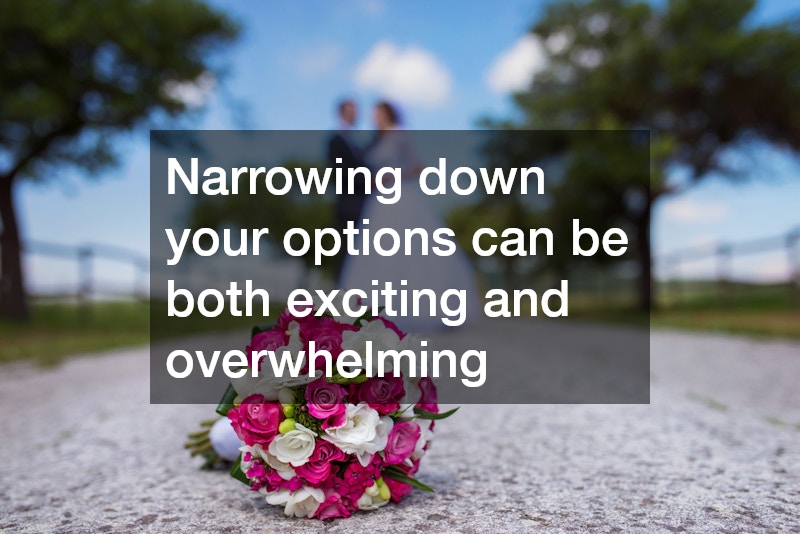
With countless types of wedding venues available, narrowing down your options can be both exciting and overwhelming. From elegant ballrooms to rustic barns, each venue style offers unique features and appeal. It’s important to explore and assess the various types that resonate with your vision, keeping in mind that your chosen location will be the backdrop for your wedding day story.
Traditional venues such as hotels and banquet halls remain popular choices due to their all-inclusive packages and convenience. However, for couples seeking a more personalized touch, historic estates, gardens, and museums offer distinctive charm and character. These venues often provide a more intimate setting, allowing for custom decor and personalized experiences that make your wedding truly one-of-a-kind.
Another trend gaining popularity is the use of alternative venues, like vineyards, beaches, and even warehouses, for a more unconventional celebration. These locations offer unique settings that can add an adventurous and memorable twist to your wedding day. When choosing an alternative venue, it’s essential to consider logistical aspects such as weather implications and required permits to ensure everything runs smoothly.
Budget Considerations for Your Venue
Setting a budget is an indispensable step in your wedding planning journey, as it helps prioritize your spending and avoid unexpected costs. When it comes to booking a wedding venue, it’s crucial to have a clear understanding of your budget and how the venue fits into it. Keep in mind that venues often constitute a significant portion of your total wedding expenses, so careful planning is essential.
Researching and comparing various venues within your price range can help you make an informed decision. Inquire about package options and any included services that may align with your needs and preferences. For example, some venues may offer in-house catering, decor, or coordination services that could save you money and time in the long run.
It’s also wise to factor in hidden costs, such as service charges, taxes, and gratuities, which can add up quickly. Consider off-peak dates or times to take advantage of discounts, as many venues offer lower prices during less popular months or weekdays. By balancing your budget with your vision, you can find the perfect venue without compromising your financial plans.
Tips for Visiting and Selecting Your Venue
Visiting potential venues in person is an invaluable part of the selection process, as it allows you to get a firsthand feel for the space and its amenities. During your visit, pay attention to details such as lighting, acoustics, and overall aesthetics. Taking photos and notes during each visit will help you compare venues later on and make a well-informed decision.
Engage with the venue coordinator to ask questions about availability, restrictions, and included services. A responsive and friendly staff can make a significant difference in your planning experience, providing peace of mind as you move forward with booking. Clarify any uncertainties you may have during your visit to avoid potential issues as your wedding date approaches.
Lastly, trust your instincts when evaluating each venue. Your wedding day is a reflection of your love story, and the right venue will resonate with your style and preferences. Ensure that both you and your partner feel confident and comfortable with your choice, as this will be the foundation for a day filled with joy and celebration.
Securing Your Venue and Next Steps
Once you’ve identified your ideal venue, it’s crucial to move swiftly to secure your date. Popular venues often book up quickly, especially during peak wedding season, so be prepared to make a deposit and sign a contract as soon as possible. This step confirms your booking and allows you to focus on other important aspects of your wedding planning.
After securing your venue, you can move forward with planning complementary elements such as decor, catering, and entertainment. Your venue choice will often guide these decisions, ensuring cohesion and harmony in your wedding theme. Working closely with your venue coordinator or wedding planner can facilitate this process, as they can offer valuable insights and recommendations.
Ultimately, finding and securing the right wedding venue sets the stage for an unforgettable celebration. By investing time and effort into this decision, you create the foundation for a wedding day that reflects your unique love story and cherished memories. With this groundwork in place, you can enjoy the journey of planning your dream wedding, knowing you have the perfect backdrop for your special day.