
Remodeling your home is one of the most exciting journeys you can undertake as a homeowner. Whether you are updating an outdated kitchen, creating an open-concept living area, or transforming a damp basement into a comfortable living space, a renovation promises to breathe new life into your property. It allows you to customize your living environment to fit your evolving lifestyle while potentially increasing your home’s equity. Careful preparation ensures that your investment yields maximum value for your family over time. Taking time to establish clear priorities early prevents unnecessary delays once construction begins. However, beneath the promise of fresh paint, beautiful tile work, and modern fixtures lies a complex process filled with potential pitfalls, unexpected costs, and structural surprises that can quickly turn a dream project into an overwhelming ordeal.
Every year, countless homeowners jump into major renovation projects without fully understanding the scale of work required or the hidden hazards lurking behind their walls and beneath their floorboards. Successfully navigating a home remodel requires much more than a vision board and a realistic budget. It demands thorough preparation, careful contractor selection, continuous oversight, and an understanding of how to manage critical infrastructure issues when they arise. By learning what to watch out for before the first sledgehammer swings, you can protect your investment, safeguard your household, and ensure that your project proceeds as smoothly as possible from tear-down to the final walkthrough.
- Safeguard Your Home Against Hidden Health and Safety Hazards
- Test for harmful legacy building materials before commencing demolition work
- Address Critical Plumbing and Water Management Systems
- Evaluate the integrity of underground main wastewater lines early
- Inspect supply lines and water heaters for silent degradation
- Establish immediate protocols for unexpected plumbing emergencies
- Protect foundation perimeters and rural water sources from failure
- Respond swiftly to unexpected flood events to prevent permanent rot
- Prioritize Structural Integrity and Exterior Protection
- Transforming Lower Levels into Valuable Living Space
- Manage Contracts, Budgets, and Project Logistics
Safeguard Your Home Against Hidden Health and Safety Hazards
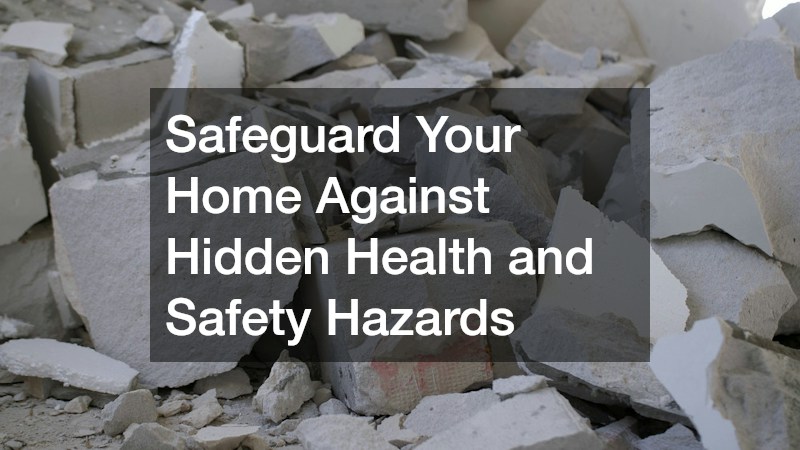
When disturbing old building materials, you inevitably open up the possibility of uncovering hazardous substances that have remained sealed away for decades. Older structures in particular are notorious for hiding health hazards that can pose serious risks to contractors, residents, and visitors if not managed with professional care. Ignoring these hazards or attempting to manage them without appropriate credentials can lead to severe long-term health complications and massive remediation expenses down the road.
Test for harmful legacy building materials before commencing demolition work
If your residence was constructed before the late 1970s, there is a strong probability that materials like insulation, floor tiles, pipe wrapping, and textured ceiling plaster contain hazardous fibers. Inhaling these airborne fibers can cause irreversible pulmonary damage and severe long-term illness. Before breaking down any walls or tearing up old flooring, hire an accredited environmental testing professional to sample suspect areas. If harmful substances are confirmed, you must engage a certified asbestos abatement removal contractor to safely isolate, extract, and dispose of the materials following strict local regulations. Attempting to tear down these elements as a standard DIY task will disperse invisible, dangerous dust throughout your entire home heating and cooling system.
Identify and resolve deep-seated microbial growth behind structural surfaces
Opening up walls, ceilings, and subfloors often reveals long-standing moisture issues that have nurtured extensive organic growth hidden from plain sight. Dark, humid cavities behind drywall create ideal breeding conditions for fungal spores that destroy indoor air quality and trigger chronic respiratory problems. If you discover widespread fungal contamination during demolition, halt all construction immediately to prevent tracking spores into clean areas of the house. Calling in a professional mold remediation service ensures that the affected structural framing is thoroughly sanitized, dried, and treated with protective antimicrobial barriers before new materials are installed over the top.
Address Critical Plumbing and Water Management Systems
Water is single-handedly the most destructive force a house can face. During a major renovation, plumbing systems are frequently shifted, extended, or exposed to significant pressure changes. Neglecting the condition of your home’s hidden pipes or ignoring subtle signs of moisture intrusion can result in catastrophic flooding, structural rot, and expensive emergency calls midway through your cosmetic updates.
Evaluate the integrity of underground main wastewater lines early
When expanding living spaces or adding new bathrooms, your home’s underlying drainage infrastructure is subjected to increased load. Old clay, cast iron, or corroded metal wastewater lines can collapse or become choked with tree roots over time, leading to backups directly into your freshly renovated space. Before sealing up basement floors or pouring new concrete slabs, run a specialized sewer camera through the line to check for cracks, offsets, or blockages. Scheduling necessary sewer repairs prior to finishing living quarters prevents the nightmare of having to jackhammer through newly laid hardwood or luxury vinyl flooring later on.
Inspect supply lines and water heaters for silent degradation
Renovations put unique stresses on indoor plumbing through frequent water shut-offs, system drainages, and line extensions. Old tanks, corroded copper fittings, and aged valves often fail under these shifting pressure conditions. Pay close attention to aging appliances and main connections throughout the project. If you notice pooling water, rust spots, or drops in pressure near your utility setup, arrange for a prompt water heater leak repair before installing new cabinetry or adjacent flooring that could absorb moisture and ruin your newly finished finishes.
Establish immediate protocols for unexpected plumbing emergencies
Demolition work, accidental pipe punctures, and failing shut-off valves can trigger sudden, severe indoor flooding within a matter of seconds. Every adult member of the household, along with the job foreman, should know the exact location of the primary water shut-off valve before work begins. Additionally, keep contact details for a trusted local emergency plumber pinned on site so you are not scrambling through online directories while water pours through your ceiling joists. Having an emergency contact ready saves precious minutes and thousands of dollars in potential structural damage.
Protect foundation perimeters and rural water sources from failure
For homes dependent on self-contained water infrastructure, kitchen and bathroom additions put heavy operational demands on pumping machinery. If your fixtures experience fluctuating pressure or sputtering flow during high usage, call in technicians to perform well pump repairs before adding high-demand fixtures like multi-head custom showers or massive soaking tubs. Furthermore, ensure that external drainage paths direct runoff far away from the foundation so that heavy rains do not overwhelm sub-surface pumps and flood your work site.
Respond swiftly to unexpected flood events to prevent permanent rot
Even with careful planning, heavy storms or sudden pipe bursts can flood open construction areas. When liquid infiltrates exposed framing, insulation, or subflooring, timing is everything. Delaying cleanup by even twenty-four hours allows moisture to wick deep into structural timbers, causing warp, rot, and structural destabilization. Partnering with reliable local water damage companies guarantees that high-capacity industrial dehumidifiers and air movers are deployed quickly to pull moisture out of structural elements before permanent structural decay takes hold.
Prioritize Structural Integrity and Exterior Protection
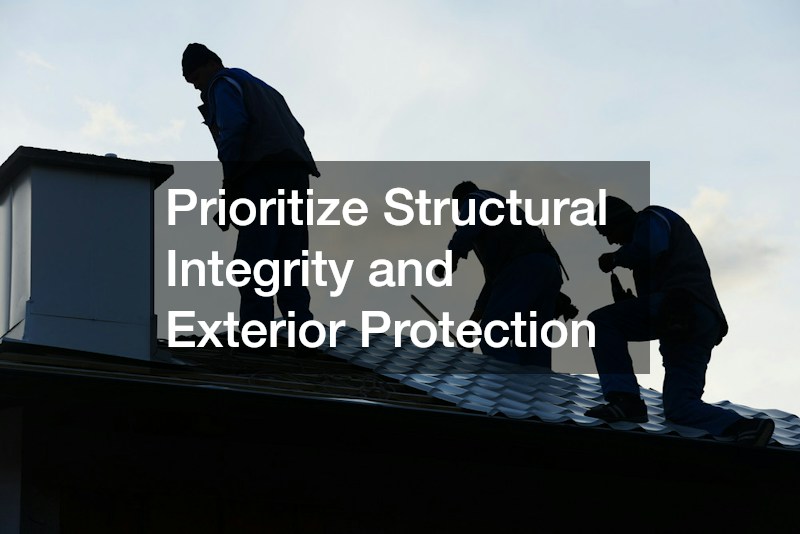
It is easy to get caught up choosing quartz countertops, custom cabinetry, and decorative lighting fixtures, but spending your entire budget on surface finishes while ignoring structural defects is a recipe for financial disaster. A home is only as strong as its foundation and its protective exterior shell. Ensuring these primary systems are completely sound protects every dollar you invest in interior upgrades.
Assess overhead covering condition prior to interior structural changes
There is little point in spending tens of thousands of dollars on high-end interior finishes if a compromised overhead covering allows water to trickle down inside the walls. Structural alterations, such as removing load-bearing walls or adding skylights, change how weight and moisture affect the top of your house. Retaining dependable roofing services to conduct a thorough exterior inspection before starting internal cosmetic work ensures that leaks, sagging rafters, or compromised flashing are fully repaired beforehand.
Vet exterior contractors thoroughly to ensure long-term weatherproofing
Exterior upgrades require precise craftsmanship to withstand severe wind, driving rain, and extreme temperature fluctuations. Hiring inexperienced or unlicensed workers for exterior work frequently results in improper flashing installation, poor attic ventilation, and premature material failure. Take time to research and hire quality roofers with proven local reputations, valid liability insurance, and strong manufacturer warranties. Properly installed exterior barriers safeguard your interior investments against severe weather for decades to come.
Transforming Lower Levels into Valuable Living Space

Converting lower level storage areas into functional, warm living space is one of the most cost-effective ways to increase your home’s total usable square footage. However, subterranean environments present unique architectural, mechanical, and environmental challenges that do not exist above ground level. Failing to address these challenges before installing drywall and carpet can lead to uncomfortable, damp, and unsafe conditions.
Resolve foundation moisture and moisture migration issues completely
Subterranean concrete walls and floor slabs are naturally porous, constantly drawing ambient moisture from the surrounding soil. Before framing out bedrooms, home theaters, or playrooms downstairs, conduct a thorough moisture test on all concrete surfaces. Applying vapor barriers, installing internal drainage channels, and sealing exterior foundation cracks are essential preliminary steps. Enlisting an experienced basement remodeling company helps ensure that insulation values, subfloor thermal breaks, and waterproofing systems meet modern building code standards for below-grade spaces.
Ensure adequate egress, headroom, and environmental comfort
Subterranean conversions must comply with strict fire safety codes, which strictly dictate window sizes and access routes for sleeping areas. Lower levels also present challenges with low ductwork, support beams, and utility lines that can restrict ceiling height. Work with your design team to plan dedicated mechanical closets, install proper egress windows with external window wells, and integrate dedicated return air vents to prevent the area from feeling stuffy, dark, or isolated from the rest of the residence.
Manage Contracts, Budgets, and Project Logistics
Beyond the physical building materials and mechanical systems, successful home renovation relies heavily on effective administration, clear communication, and disciplined financial control. Many remodeling projects encounter severe delays or budget overruns not because of poor craftsmanship, but due to poor planning, vague agreements, and inadequate oversight.
Draft comprehensive agreements with realistic contingency reserves
Never allow construction work to start without a signed, detailed contract that clearly specifies the scope of work, material selections, total costs, payment schedules, and projected completion dates. The agreement should explicitly outline how changes to the plan will be handled using formal, written change orders that record cost adjustments before the work is executed. Additionally, always maintain an accessible cash buffer of fifteen to twenty percent above the estimated contract price. Hidden structural issues, supply chain price hikes, and necessary code compliance updates almost always arise during major tear-downs.
Secure all required municipal permits and schedule timely inspections
Attempting to bypass the local building permit process to save time or money is a risky mistake that often backfires. Unpermitted construction work can stall your project if discovered by local code enforcement officers, leading to hefty fines and requirements to tear down completed work for inspection. Furthermore, unpermitted alterations can complicate future real estate sales, as buyers’ home inspectors and mortgage lenders routinely check municipal permit histories. Ensure your contractor pulls all necessary building, electrical, and plumbing permits, and verify that formal municipal inspections are passed at each major stage of construction.
Plan for lifestyle disruptions and site safety during construction
Living inside an active construction zone takes a heavy toll on daily family routines, mental well-being, and personal safety. Dust, noise, constant foot traffic, and temporary loss of essential utilities like kitchens or primary bathrooms create significant daily stress. Establish clear boundaries with your construction crew regarding working hours, parking, bathroom facilities, and daily cleanup. If you are undertaking an extensive whole-house renovation, factor the cost of short-term temporary housing into your overall project budget so you can preserve your sanity while the heaviest work is carried out.
Undertaking a home renovation project is a major commitment of time, energy, and financial resources, but it yields incredible rewards when executed with foresight and care. By anticipating potential safety hazards, prioritizing critical plumbing and structural infrastructure, hiring verified specialists, and maintaining rigorous administrative control, you can navigate the complexities of construction with confidence. Staying actively engaged with your build team helps address minor issues before they turn into costly revisions. Maintaining open communication creates a collaborative environment where problems get resolved smoothly. Protecting your home against hidden surprises ensures that your finished space is not only visually stunning, but also safe, durable, and comfortable for many years to come.
